by Jay Redman | Jan 19, 2021 | UK Updates
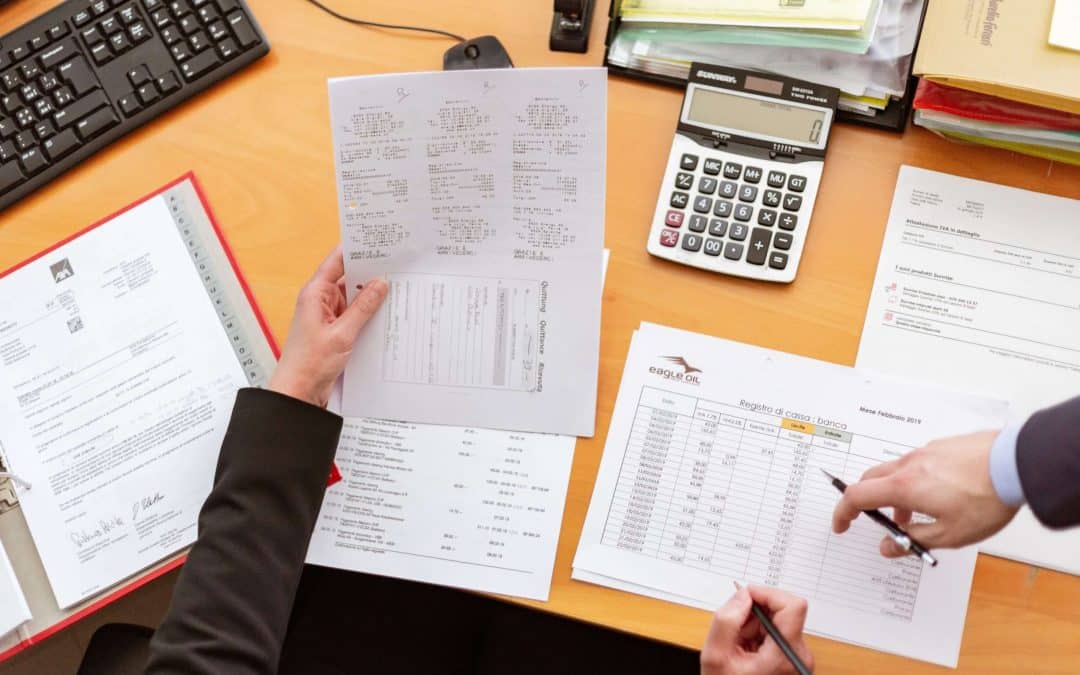
So whether you are currently a VAT-registered business selling on Amazon FBA or whether you will be hitting the threshold soon, this blog will help you to understand how to calculate VAT for Amazon Sellers in UK.
Common Mishaps With Calculating VAT
A common problem that Amazon sellers often face is that when they are listing their products, Amazon will only allow them to show their final sales price to the customer. With the introduction of Amazon Business, this has changed very slightly.
To explain this in more detail, if you list your product on Amazon for £20, you will not have permission to charge £20+VAT. The only price you will be able to see will be the amount you would like to charge the customer.
As we already know that the current VAT rate in the UK stands at 20%, although this can become slightly complicated if you are selling on Amazon PAN EU as the rates of VAT and the threshold varies in the different countries within Europe.
Within the Amazon guidance for charging VAT, they state that they must charge VAT on all orders delivered to destinations in member countries of the EU. This also means that the VAT will be charged accordingly to the local government requirements.
DISCLAIMER: Please note that there has currently been a temporary reduction in the VAT rates in certain EU countries, so be sure to check this when calculating your VAT. For example, the VAT rate In Germany currently stands at a reduced rate of 16% until the 31st December 2020. As of January 2021, it will return to 19%.
How to Calculate VAT: How Sterlinx can help you
If you would like any more advice on how calculated VAT works for your specific business model or if you are new to the eCommerce world and would like more information for start up businesses, contact our team of specialists through Sterlinx Global today. We are happy to advise you further and see your business blossom!

by Jay Redman | Jan 14, 2021 | Business
Accountants for Business: Reasons to change your accountant
There are countless reasons why many small businesses may feel the need to change their accountants after a certain period of time. Accountants for business can be helpful whether this is due to your business growing and changing, or maybe even your accountant’s business has changed.
The process of switching your accountant over to appoint a new one isn’t as hard as it seems. If you are considering switching your accountants, you must ask yourself the following questions:
- Does your accountant understand your business and what it needs? You must have an accountant who understands the business that you are running. This can help with the financial growth of your business.
- Is your accountant completing your VAT filings on time? Ensuring that all relevant documents are all submitted on time is crucial, to ensure that you are not liable for penalty fees from the authorities. Payment arrears can cause a lot of damage to your business.
- Are you receiving the service that you are paying for? Always know your company’s value! If you are paying for a specific service you should be receiving exactly what you pay for.
- Can your accountant handle your business growth? Maybe when you started with this accountant, the size of your business was a lot smaller as opposed to now. The size of your business may have grown and your accountant may get a little overwhelmed.
- Has your accountancy firm outgrown you? When you started with your accountant, you may have felt like a valued client and they were very attentive to start with. However, as their business and client numbers have grown you feel like you’ve just become part of a list. It is important to have an accountant who matches your business vision, not one who treats you like a case file.
What you need to consider before switching
There are 2 main points you must remember to take into consideration before you switch your accountant.
One of these elements is timing. If this is something you are serious about you should remember it is a process that shouldn’t be rushed. You will need to allow enough time for the handover period between your accountants.
You should schedule this time during a period in your business where it isn’t busy. For example, deciding to change your accountant at the end of your financial year would be an inconvenience to you, your current accountant and your newly appointed accountant.
The other point you must consider is to ensure that all of your financial responsibilities have been taken care of including any bills or disputes over unpaid fees. This will create a smooth transition process.
Time to switch!
Here is what the process of you switching over your accountant should entail.
- Informing your current accountant of the switch: It is significant to not end your relationship with your current accountant on bad terms. You must inform them that you will be switching your accountant. You will need to grant your accountant permission to liaise with your new accountant about any paperwork that may need to be transferred over.
- Disengagement letter: This is a professional letter that should be written by your current accountant, which should include any key information about the work they have completed for you and bring everything up to date for the new accountant to take over.
- Professional clearance letter: This letter will be a request from your newly appointed accountant to your current accountant, stating if there would be any reason they cannot work with you as a client.
- Assigning authority: Lastly, you will need to grant your new accountant with the authority to submit your VAT filings on your behalf.
If you’re looking for timely solutions through an expert accountant, visit Sterlinx Global and let our team of certified accountants help you.

by Jay Redman | Jan 12, 2021 | European VAT
What is Distance Selling?
Distance selling is a term used for sales that are made through online platforms and not face to face.
As we are talking about distance selling in the EU, we know from the previous blogs that if you are selling in the EU, you must adhere to the VAT thresholds that are in place for each country.
The table below shows each country In the EU and the threshold limit.
We also already know that once you meet or exceed this annual threshold, you are liable to be registered for VAT in that country. It is also necessary to be VAT registered if you are storing your goods in a country’s warehousing facility.
Distance selling regulations in Europe
There are many different rules and regulations that you must abide by when selling in Europe. You must ensure that you remain compliant with these regulations when it comes to taxation and VAT, so it is essential that you are aware of what these rules entail.
The Distance Selling Regulations (DSRs) apply to all distance sales. The purpose of the DSRs is the protection of the consumer in Europe.
How to Comply with VAT: Rules of Distance Selling in the EU
When you are distance selling, there is some key information you must provide to your customer:
- Pre-Purchase information
- Description of the product or service you are providing
- The right to cancel orders within 7 days
- The right to have received your order of a product or service within 30 days of purchasing
- A refund policy
- Non authorisation payment refund
Company Formation vs VAT Registration
Just because you are going to VAT register your business within a different country does not mean that you are forming a new company. Being VAT registered simply means that you are complying with the taxation laws of that country. To be VAT registered also allows you to recover any sales tax on your business expenditures.
Conclusion
So to sum up, you must ensure that you have all of the correct information about the taxation laws and regulations of the specific country that you are going to be selling in.
This will provide you will all of the knowledge to become a successful distance seller. It will enable your business to grow and thrive in the EU. If you need more assistance, we are more than happy to help you! Just visit Sterlinx Global today and allow our team of experts to help you.
by Jay Redman | Dec 29, 2020 | UK Updates
As an Amazon seller, you must already be swamped with all the different taxation laws for different countries in Europe. As Amazon UK Accountants specialists, we understand the pain of the uncertainty and doubts you may face when it comes to knowing when you are liable to pay tax, especially if you are overseas.
Ensuring that your tax residence status is up to date can be complicated. Despite whether you still currently live in the UK, you will still be required to complete a tax return.
If you currently live in the UK, but you are planning to move abroad, it is essential that you prepare all the relevant documentation required to ensure that you avoid any pitfalls. Below are some of the reasons why you may be required to file your tax returns:
- If you are a director of a UK company
- If you receive profits from a UK partnership (investments or dividends)
- If you earn an income in the UK through self-employment
- If you do not live in the UK, but you do some or all of your work in the UK
- If you are in receipt of UK rental income
- If you make capital gains from the sale or disposal of assets in the UK
Many of these reasons will require professional advice from an accounting specialist.
Creating Your UK Tax Residence Status
HMRC use their Statutory Residence Test to determine whether an individual is a tax resident. A common mistake with many non-residents is creating your own tax status from what you research online.
You must take into consideration that this process can become very complex. To avoid any extra added fees and penalties you must always consult an accounting specialist for some guidance first.
What is Self-Assessment?
A Self-Assessment tax return is a declaration statement of the amount of income earned by an individual during a tax year (the tax year will always begin on the 6th April and will end on the 5th April the following year).
This assessment will also calculate the amount of tax that is owed by an individual, and any reimbursements which are owed from income received throughout that tax year under assessment.
Under the usual circumstances, if HMRC deems in necessary that an individual is obliged to file a Self-Assessment tax return, they will automatically send the person a notice once the tax year has come to an end.
You must file your Self-Assessment on time. Be sure to check out the Government website link below to see the submission dates.
Non-Resident return penalties
If you file or pay your Self Assessment after the 31st of January you will incur a penalty charge. The penalty regime currently in place is as follows:
- 1 day late: Initial penalty of £100
- 3 Months late: Automatic penalty of £10 per day up to a maximum of £900
- 6 months late: A further penalty of the greater of £300 or 5% of the tax that would have been due and payable if the Return had been submitted on time.
- 12 months late: Another penalty of £300 or 5% of the tax that would have been due and payable if the Return had been submitted on time.
These penalty charges are correct at the time of print.
Besides the above, you will be required to pay tax-geared penalties and interest on any outstanding tax payments.
As Amazon specialist accountants, we are reliable in keeping you informed about any of the latest government changes, as we understand it is vital to your business that everything is kept up to date.
Not only could you incur extra added charges, but at the risk of your Amazon seller account is closed, it is important to have all hands on deck with your taxes, which is exactly how we operate at Sterlinx!
UK Accountants: Book a consultation now – Sterlinx can help!
If you are currently living in the UK, but are going to be moving abroad or you are already a Non-resident living overseas, contact us now for our expert advice on making the process as smooth and simple as possible.
We have our very own in-house Amazon accountants specialists and Chartered accountants ready to advise you.



