by Eunice | Nov 13, 2024 | Business
TITLE: Navigating China’s Economic Landscape: Challenges and Opportunities for Business Expansion
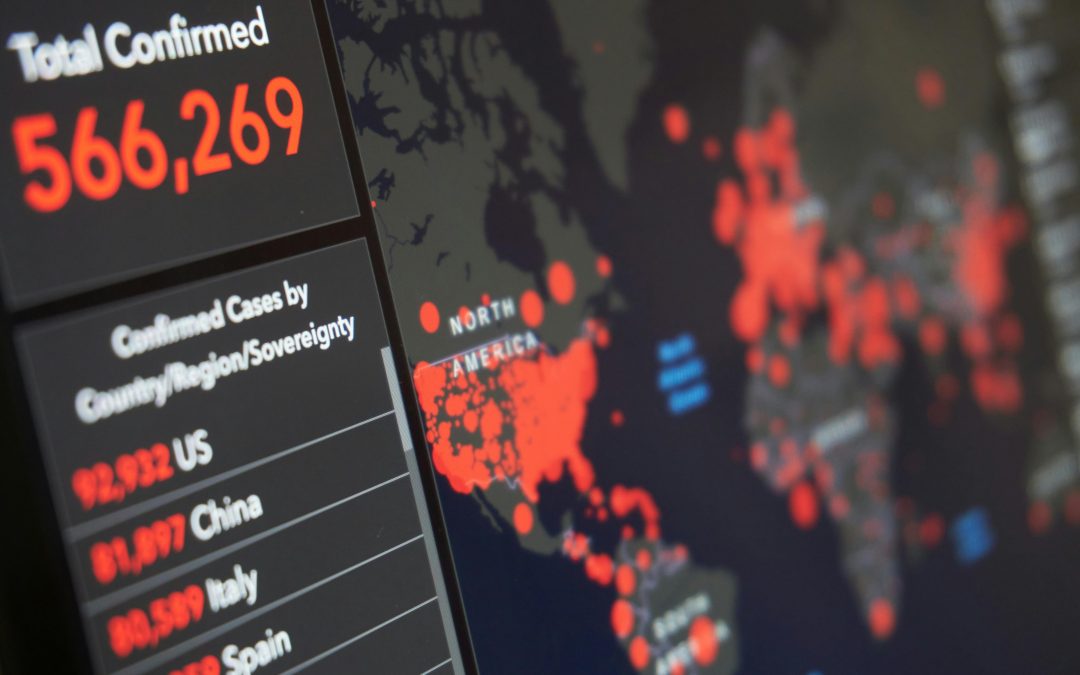
Overview of Chinese Economic Challenges and Business Scaling
China’s economic landscape is undergoing significant shifts, presenting both opportunities and challenges for businesses looking to expand into the country. While China’s rise as a consumer economy has been evident, recent figures have highlighted a growing sense of internal focus and a shift away from export dependence.
This change, coupled with increased consumer spending and wealth, has made China an attractive destination for businesses seeking expansion opportunities.
However, navigating the Chinese market can be daunting due to its unique market access challenges, consumer preferences, bureaucratic procedures, governmental challenges, standards and conformity assessment, intellectual property issues, competition, labour concerns, human resources, and administrative tasks.
In recent years, economic challenges have had a significant impact on the business scaling process. The economic slowdown refers to the challenges faced by China, which have had a ripple effect on the global economy. This slowdown has affected businesses in several ways, including decreased consumer spending, decreased export opportunities, and increased market volatility. As a result, businesses looking to scale their operations have had to navigate through a challenging landscape.
One of the key ways in which economic challenges have affected business scaling is through decreased consumer spending. As the Chinese economy faced challenges such as rising debt levels and a decrease in economic growth, consumers became more cautious with their spending. This has impacted businesses that rely on Chinese consumers as a significant part of their customer base. Companies that were planning to expand into the Chinese market or increase their sales to Chinese consumers have had to revise their strategies and adjust their expectations due to reduced consumer spending.
Furthermore, economic challenges have also led to decreased export opportunities for businesses. China is a major player in global trade, and any disruption in its economy has a direct impact on businesses that export goods to China. The decrease in demand from Chinese consumers has resulted in reduced export opportunities for businesses across various industries. This has made it challenging for businesses to expand their operations internationally and scale their production to meet the demands of global markets.
Another way in which economic challenges affect business scaling is through increased market volatility. The economic challenges faced by China have contributed to increased market volatility, not only in China but also globally. This volatility makes it difficult for businesses to make long-term plans and investments, as they have to constantly adapt to changing market conditions. The uncertainty caused by economic slowdown can deter businesses from scaling up their operations, as they are unsure about the stability of the market and the potential risks involved.
Moreover, economic challenges have also led to stricter regulations and policies that can impact business scaling. In an attempt to stabilize its economy, the Chinese government has implemented various measures such as tightening capital controls and imposing stricter regulations on foreign investment. These measures can make it more challenging for businesses to expand their operations in China or invest in Chinese companies. The regulatory environment can create barriers for scaling up operations and require businesses to navigate through complex procedures, further complicating the scaling process.
Businesses looking to scale their operations need to carefully analyse and adapt to these challenges in order to navigate through the effects of economic slowdown. It is essential for businesses to diversify their markets and be prepared to adjust their strategies accordingly in order to succeed in this challenging environment.
Market Access Challenges
Market access challenges can be a significant hurdle for companies seeking to expand their operations into new markets. The economic slowdown that China has been experiencing in recent years has had a profound impact on the global economy, as China is one of the world’s largest economies and a major player in international trade.
One of the market access challenges posed by economic slowdown is the increased competition for limited resources. As China’s economy slows, the demand for resources such as raw materials and energy also decreases. This can lead to higher prices and limited availability of these resources globally, making it difficult for companies to access the inputs they need for production.
Additionally, economic challenges have led to a shift in consumer behaviour in China, with consumers becoming more cautious in their spending. This can make it challenging for foreign companies to penetrate the Chinese market and gain market share.
Another market access challenge resulting from economic slowdown is increased regulatory scrutiny. In an effort to stabilize its economy, China has implemented stricter regulations on foreign companies operating within its borders. These regulations include tighter controls on foreign investment, increased scrutiny of mergers and acquisitions, and stricter intellectual property protection measures. These regulatory changes can make it more difficult for foreign companies to enter or expand in the Chinese market, as they must navigate complex and evolving regulations.
Economic challenges have also led to increased market volatility and uncertainty. The economic slowdown in China has had ripple effects on global financial markets, leading to increased volatility and uncertainty. This can make it challenging for companies to plan and execute their market entry or expansion strategies. The unpredictable nature of economic slowdown can make it difficult for companies to accurately forecast demand, assess market risks, and make informed investment decisions.
Consumer Preferences
China’s consumer environment has undergone significant changes in recent decades, with a notable shift in class and diversity. Understanding consumer preferences is crucial for businesses looking to succeed in the Chinese market.

by Eunice | Nov 11, 2024 | Business
The Rise of Wholesale in China
Over the past few decades, wholesale in China has experienced a significant rise in popularity and prominence. With its booming economy and manufacturing capabilities, China has become a global leader in wholesale trade.
The rise of wholesale in China can be attributed to several factors, including the country’s vast production capabilities, competitive pricing, and efficient supply chain management.
China’s manufacturing process has allowed it to become a major player in the global wholesale market. The country is known for its large-scale production capabilities, which enable it to produce goods at a much lower cost compared to other countries. This cost advantage has made China an attractive destination for international businesses looking to source products at a competitive price.
Additionally, China’s vast network of suppliers and manufacturers ensures a diverse range of products are available for wholesale.
Another contributing factor to the rise of wholesale in China is the country’s competitive pricing. Chinese manufacturers are known for offering products at significantly lower prices compared to their global counterparts. This affordability has made Chinese wholesale products highly sought after by businesses around the world, enabling them to maximize their profit margins.
Moreover, the abundance of suppliers in China fosters competition among manufacturers, further driving down prices and making wholesale in China an even more attractive option.
China’s efficient supply chain management is also a key factor behind the rise of wholesale in the country. The Chinese government has invested heavily in infrastructure development, including transportation and logistics networks, to ensure smooth and efficient movement of goods.
This has resulted in faster lead times and reduced costs for businesses engaging in wholesale trade with China. Additionally, the widespread use of e-commerce platforms and digital technologies has streamlined the wholesale process, allowing buyers and sellers to connect easily and efficiently.
In conclusion, the rise of wholesale in China can be attributed to its manufacturing capabilities, competitive pricing, and efficient supply chain management. As China continues to grow as a global economic powerhouse, it is expected that wholesale trade will continue to thrive in the country.
Businesses looking for affordable and diverse product options are increasingly turning to China for their wholesale needs, further solidifying its position as a leading player in the global wholesale market.
The Shift towards Digitization
One of the key reasons behind the success of wholesale in China is the country’s rapid digitization and the adoption of advanced technologies. Chinese retailers have embraced digital platforms and e-commerce, creating a highly digitized market that offers convenience, efficiency, and a seamless shopping experience for consumers.
The Power of Ecosystems
China’s wholesale industry is also characterized by the presence of massive ecosystems created by tech giants like Alibaba and Tencent. These ecosystems provide a comprehensive suite of services, including online marketplaces, payment systems, logistics solutions, and data analytics, enabling wholesalers to streamline their operations, reach a wider customer base, and leverage the power of data-driven decision making.
The Challenges of Wholesale in China
Wholesale in China presents a unique set of challenges for businesses looking to tap into the country’s vast market. While there are immense opportunities for growth and profitability, navigating the complexities of the Chinese wholesale industry requires careful consideration and strategic planning.
One of the main challenges faced by businesses operating in this sector is the intense competition. With a population of over 1.4 billion people, China is home to numerous wholesale markets and trading hubs, making it difficult for new entrants to establish themselves and gain a foothold in the market. This fierce competition often leads to price wars and slim profit margins, requiring businesses to find innovative ways to differentiate themselves and offer unique value propositions.
Another challenge faced by wholesalers in China is the language barrier. Mandarin Chinese is the official language of the country, and while English is widely taught, many business transactions and negotiations are conducted in Chinese. This can pose a significant challenge for foreign businesses looking to enter the wholesale market in China, as effective communication is essential for building relationships and securing favourable deals.
To overcome this obstacle, it is crucial for businesses to invest in language services or hire bilingual staff who can bridge the gap and facilitate smooth communication with suppliers and customers.
Intellectual property rights (IPR) protection is another major concern for wholesalers in China. Counterfeit products and intellectual property theft are prevalent issues that can undermine the competitiveness and profitability of businesses operating in this sector. While the Chinese government has taken steps to strengthen IPR protection laws and enforcement, it remains a persistent challenge.
To mitigate this risk, wholesalers must implement robust measures to protect their intellectual property, such as registering trademarks and patents, monitoring the market for counterfeit goods, and partnering with reliable suppliers who prioritize IPR protection.
Logistics and distribution networks are also significant challenges for wholesalers in China. With its vast territory and diverse regions, ensuring efficient and reliable transportation of goods can be a complex task. Infrastructure limitations, such as congested road networks and a lack of standardized logistics practices, can lead to delays and increased costs.
To overcome these challenges, wholesalers must carefully select logistics partners who have a deep understanding of the local market, possess extensive network coverage, and offer reliable tracking systems. Investing in technology-driven solutions, such as blockchain-based supply chain platforms, can also help streamline logistics processes and enhance visibility across the entire distribution network.
In conclusion, wholesale in China offers immense potential for businesses looking to capitalize on the country’s vast market. However, navigating the challenges of intense competition, language barriers, IPR protection, and logistics require careful planning and strategic execution. By understanding these challenges and implementing appropriate measures, wholesalers can position themselves for success in this dynamic and competitive market.
by Eunice | Nov 9, 2024 | Business
Understanding Wholesale Options in China
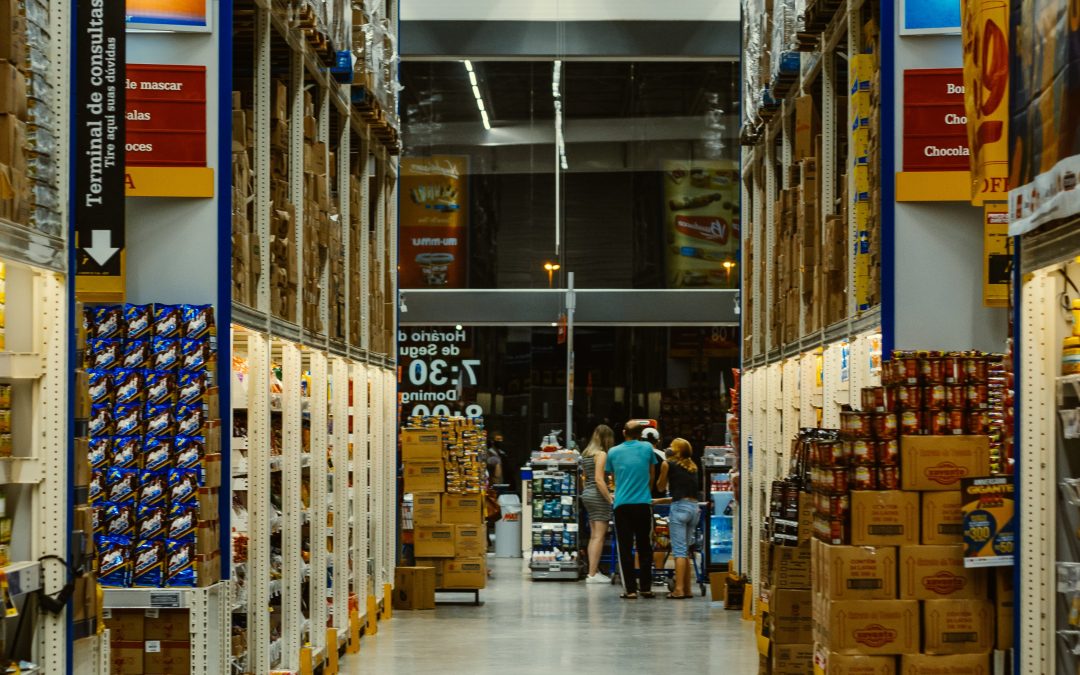
In the fast-paced global marketplace, finding reliable wholesale suppliers is crucial for businesses looking to maximize their supply chain excellence. China, known for its vast manufacturing capabilities and competitive pricing, is a popular destination for sourcing wholesale products.
When it comes to finding wholesale suppliers in China, it is important to have a clear understanding of the options available. There are several ways to connect with wholesale suppliers in China, including online platforms, trade shows, and sourcing agents.
Online Platforms
One of the most common ways to find wholesale suppliers in China is through online platforms. Websites such as Alibaba, Global Sources, and Made-in-China are popular platforms that connect buyers with suppliers. These platforms allow businesses to search for products and connect directly with suppliers. They provide a wide range of options and allow buyers to compare prices and quality before making a decision.
However, it is important to exercise caution when dealing with suppliers found online, as there is a risk of encountering fraudulent or low-quality suppliers.
Trade Shows
Trade shows are another effective way to find wholesale suppliers in China. China hosts a multitude of trade shows every year, where suppliers from various industries showcase their products. Attending these trade shows allows buyers to meet suppliers face-to-face, examine product samples, negotiate prices, and establish relationships.
Trade shows provide a great opportunity to get a firsthand look at the products and assess the credibility and reliability of the suppliers. It is advisable to do thorough research before attending trade shows to ensure that the relevant industry is being represented.
Sourcing Agents
Sourcing agents or buying agents are professionals who assist businesses in finding wholesale suppliers in China and managing the sourcing process. These agents have extensive knowledge of the local market, industry contacts, and language skills, which can be invaluable for businesses looking to source products from China.
Sourcing agents can help businesses navigate through the complexities of dealing with suppliers in China, including negotiating prices, arranging inspections, handling logistics, and ensuring product quality. However, it is important to carefully select a reputable sourcing agent who understands the specific requirements of the business.
Understanding the wholesale options in China is crucial for businesses looking to source products at competitive prices. Online platforms, trade shows, and sourcing agents are all viable options for connecting with wholesale suppliers in China. Each option has its own advantages and considerations, and it is important to research and evaluate each option before making a decision. Finding reliable wholesale suppliers in China can open up opportunities for businesses to access a wide range of competitively priced products.
How Does Wholesale Suppliers Supply Chain Work in China
In China, the wholesale suppliers supply chain is a complex and intricate process that involves various steps and stakeholders. Wholesale suppliers play a crucial role in connecting manufacturers with retailers and end consumers. These suppliers are responsible for sourcing products from manufacturers, storing them in warehouses, and distributing them to retailers or individual customers.
Sourcing Products from Manufacturers
The first step in the wholesale supply chain is the sourcing of products from manufacturers. Wholesale suppliers in China have extensive networks and relationships with manufacturers across different industries. They work closely with these manufacturers to negotiate prices, quantities, and quality standards. This ensures that the products meet the requirements of retailers and consumers.
Warehouse Storage and Inventory Management
Once the products are sourced from manufacturers, wholesale suppliers store them in their warehouses. These warehouses are strategically located to facilitate efficient distribution. Wholesale suppliers have sophisticated inventory management systems in place to keep track of the products and ensure that they are readily available when needed.
Distribution to Retailers
After the products are stored in the warehouses, wholesale suppliers then distribute them to retailers or individual customers. This can be done through various channels such as direct shipments, third-party logistics providers, or e-commerce platforms. Wholesale suppliers work closely with retailers to understand their specific requirements and ensure timely delivery of the products.
Quality Control
In addition to sourcing, storing, and distributing products, wholesale suppliers also play a crucial role in quality control. They have dedicated teams that inspect the products before they are shipped out. This ensures that the products meet the required quality standards and specifications.
Technology Integration
Another important aspect of the wholesale supply chain in China is the role of technology. Wholesale suppliers leverage technology to streamline their operations and improve efficiency. They use advanced software systems for inventory management, order processing, and logistics tracking. This allows them to effectively manage their inventory, reduce costs, and provide better service to their customers.
Wholesale vs. Dropshipping: Choosing the Right Model
When starting an online retail business, one of the most important decisions to make is whether to use a wholesale or dropshipping model. Both options have their advantages and disadvantages, so it’s crucial to weigh them carefully before making a choice.
Advantages of Wholesale
One of the main advantages of using wholesale suppliers is the ability to purchase products in bulk at a discounted price. This allows retailers to have more control over their inventory and potentially increase their profit margins. Additionally, working directly with wholesale suppliers can provide retailers with access to a wider range of products and the opportunity to establish long-term relationships with trusted suppliers.
Challenges of Wholesale
However, it’s important to note that using wholesale suppliers also comes with some challenges. Retailers will need to invest in storage space and manage their own inventory, which can be time-consuming and require additional resources.
Advantages of Dropshipping
On the other hand, dropshipping offers a more hands-off approach for retailers. With dropshipping, retailers don’t need to carry any inventory or worry about shipping products to customers. Instead, they work with dropshipping suppliers who handle these tasks on their behalf. This model allows retailers to focus on marketing and customer service, rather than logistics. Additionally, dropshipping can be a more cost-effective option for new businesses as it eliminates the need for upfront inventory investments.
Limitations of Dropshipping
However, it’s important to note that dropshipping also has its limitations. Retailers have less control over the fulfilment process and may face challenges if dropshipping suppliers run out of stock or deliver products late. Additionally, profit margins in dropshipping tend to be lower compared to wholesale models.

by Eunice | Nov 7, 2024 | Business
The Rise of Chinese Wholesale Websites
In recent years, there has been a significant rise in the popularity of Chinese wholesale websites. These online platforms have gained immense traction among retailers and consumers alike, offering them a wide array of products at competitive prices. The convenience and affordability provided by these websites have made them a go-to destination for individuals looking to purchase goods in bulk or at wholesale prices. With the rise of e-commerce and globalization, Chinese wholesale websites have emerged as major players in the global market, transforming the way business is conducted.
One of the key reasons behind the rise of Chinese wholesale websites is the cost advantage they offer. These platforms connect retailers with manufacturers in China, who are known for their low production costs. By eliminating intermediaries and shipping directly from China, wholesale websites are able to offer products at significantly lower prices compared to traditional retail channels. This cost advantage not only benefits retailers who can increase their profit margins, but also consumers who can enjoy high-quality products at affordable prices.
Another factor contributing to the growth of Chinese wholesale websites is the vast product selection they provide. These platforms offer an extensive range of products across various categories, including electronics, fashion, home decor, and more. Retailers have access to a wide variety of options, allowing them to cater to diverse consumer preferences. Moreover, these websites often have a large inventory, ensuring that retailers can easily find the products they need in bulk quantities. The ability to source a diverse range of products from a single platform has made Chinese wholesale websites highly attractive for retailers looking to expand their product offerings.
The rise of Chinese wholesale websites can also be attributed to their user-friendly interfaces and efficient logistics systems. These platforms invest heavily in technology and infrastructure to ensure a seamless shopping experience for their users. Retailers can easily navigate through the website, search for specific products, and place orders with just a few clicks. Additionally, most wholesale websites provide detailed product descriptions, images, and customer reviews, enabling retailers to make informed purchasing decisions. Furthermore, these platforms have established reliable logistics networks that ensure timely delivery of orders to retailers around the world. This efficient supply chain management has helped build trust and loyalty among users.
Chinese wholesale websites have effectively leveraged social media and digital marketing strategies to reach a wider audience. Through targeted advertisements and promotional campaigns on platforms like Facebook and Instagram, these websites have successfully attracted retailers from different parts of the world. The use of influencers and endorsements has also played a significant role in increasing brand awareness and driving traffic to these platforms. By establishing a strong online presence and engaging with their target audience, Chinese wholesale websites have managed to position themselves as trusted and reliable sources for wholesalers and retailers.
How Do Wholesale Websites Help in Business Scaling in China
In recent years, wholesale websites have played a pivotal role in scaling businesses in China. With the rapid growth of e-commerce and the increasing demand for affordable products, wholesale websites have become a valuable resource for both small and large businesses. These platforms provide a convenient and efficient way for businesses to source products at competitive prices, connect with suppliers, and expand their product offerings. By leveraging the power of wholesale websites, businesses in China have been able to achieve significant growth and success.
One of the key advantages of using wholesale websites is the access they provide to a wide range of suppliers and products. These platforms act as a marketplace where suppliers from all over China can showcase their products and connect with potential buyers. This gives businesses the opportunity to explore multiple options and find the best suppliers that meet their specific needs. Whether it is sourcing products for resale or for manufacturing purposes, wholesale websites offer a vast selection of products in various categories, including electronics, fashion, home goods, and more. This allows businesses to diversify their product offerings and cater to different customer preferences.
Another major benefit of wholesale websites is the cost savings they offer. By connecting directly with manufacturers or wholesalers, businesses can eliminate intermediaries and reduce costs. This is especially important for small businesses that may have limited budgets and need to maximize their profit margins. Wholesale websites enable businesses to negotiate prices directly with suppliers, ensuring that they get the best possible deals. Additionally, these platforms often offer bulk purchasing options, allowing businesses to buy in large quantities at discounted prices. This not only helps in lowering the cost per unit but also ensures a steady supply of products, which is crucial for maintaining inventory levels and meeting customer demands.
Furthermore, wholesale websites provide businesses with valuable insights and information that can aid in decision-making and strategic planning. These platforms often include features such as supplier ratings and reviews, product specifications, and sales data. By analysing this data, businesses can make informed decisions about which suppliers to work with, which products to offer, and how to price their products competitively. Wholesale websites also allow businesses to track trends and monitor market demand, enabling them to stay ahead of the competition and adapt their strategies accordingly.
Verifying Wholesale Suppliers in China
While the benefits of wholesale websites in China are undeniable, it is essential for companies to verify the authenticity and reliability of the suppliers they work with. Verifying wholesale suppliers can be challenging due to language barriers, fraud, and geographical constraints. However, by following certain guidelines and using common sense, businesses can ensure they are partnering with legitimate suppliers.
Buy Generic Goods
When sourcing products from wholesale websites, it is advisable to focus on generic goods that do not involve intellectual property rights. This reduces the risk of dealing with counterfeit or illegal products.
Disbelieve Unbelievable Deals
If a deal seems too good to be true, it probably is. Avoid wholesalers offering unrealistic prices or terms.

by Eunice | Nov 5, 2024 | Business
Why You Should Find Suppliers for Drop Shipping in China
When it comes to drop shipping, finding reliable and efficient suppliers is crucial for the success of your business.
One country that has emerged as a popular destination for sourcing suppliers for drop shipping is China.
There are several reasons why you should consider finding suppliers in China for your drop shipping business.
Firstly, China offers a vast range of products at competitive prices. The country is known for its manufacturing capabilities and is home to numerous factories and suppliers for drop shipping.
This means that you have a wide variety of products to choose from and can cater to different niches and markets.
Whether you are looking for electronics, fashion, home decor, or any other product category, you are likely to find reliable suppliers for drop shipping in China who can provide you with quality products at affordable prices.
Secondly, Chinese suppliers are experienced in drop shipping. Drop shipping involves the process of selling products without keeping them in stock.
Instead, when a customer places an order, the supplier directly ships the product to the customer.
Chinese suppliers have been catering to drop shipping businesses for many years and have developed efficient systems and processes to handle this type of business model.
They are well-versed in packaging, labelling, and shipping products directly to customers, ensuring a seamless experience for both you and your customers.
Another advantage of finding suppliers in China for drop shipping is the low shipping costs. China has a well-developed logistics network and offers various shipping options at affordable rates.
This means that you can pass on these low shipping costs to your customers, making your products more attractive and competitive in the market.
Additionally, many Chinese suppliers offer free or low-cost shipping options for drop shipping, further reducing your overall costs.
In addition to competitive prices and low shipping costs, Chinese suppliers for drop shipping also offer flexibility in terms of customization and branding.
Many suppliers in China provide services such as private labelling, custom packaging, and even product customization.
This allows you to add your brand logo or design to the products you sell, giving your business a professional and unique touch.
Customization options also enable you to differentiate your products from competitors and create a strong brand identity.
Furthermore, Chinese suppliers are known for their reliability and professionalism.
They understand the importance of timely delivery and maintaining consistent product quality.
Many suppliers in China have established relationships with drop shippers worldwide and have a reputation for delivering products on time and as per the required specifications.
This reliability is crucial for building trust with your customers and ensuring repeat business.
In conclusion, finding suppliers in China for drop shipping offers numerous benefits such as a wide range of products, competitive prices, experienced drop shipping capabilities, low shipping costs, customization options, and reliability.
These advantages make China an attractive destination for sourcing suppliers for your drop shipping business.
By choosing reliable Chinese suppliers for drop shipping, you can ensure the success of your drop shipping business by providing quality products at affordable prices to your customers.
Access to Local Expertise and Resources
Collaborating with Chinese suppliers provides access to their local expertise and resources.
Chinese product development companies have a deep understanding of the local market, customs, and regulations.
They can offer valuable insights and guidance on sourcing materials, negotiating contracts, and navigating the manufacturing process.
Additionally, Chinese suppliers for drop shipping have access to advanced manufacturing technologies and facilities, ensuring that your products are developed using the latest methods and techniques.
Faster Time-to-Market
Time is of the essence in product development, and collaborating with Chinese suppliers for drop shipping can help expedite the process.
Chinese product developers are well-versed in the local manufacturing landscape, allowing them to navigate the production process efficiently and avoid delays.
Moreover, China has a robust supply chain infrastructure that enables rapid prototyping and production.
By leveraging the expertise and resources of Chinese suppliers for drop shipping, you can significantly reduce the time it takes to bring your products to market.
Cost-Effective Manufacturing Options
China’s manufacturing industry is known for its efficiency and economies of scale, offering cost-effective manufacturing options.
Chinese suppliers for drop shipping can produce products at lower costs without compromising quality.
This cost advantage is a result of factors such as low labour costs, an established supply chain infrastructure, and efficient production processes.
By collaborating with Chinese suppliers for drop shipping, you can benefit from their expertise in value engineering and cost optimization, identifying opportunities to reduce costs without sacrificing quality.
Additionally, China’s vast supplier network provides access to a wide range of materials and components at competitive prices, maximizing your profitability.
Improved Product Quality Control
Product quality control is a critical aspect of drop shipping, and Chinese suppliers for drop shipping prioritize quality assurance.
They have access to state-of-the-art testing facilities and equipment, allowing them to conduct thorough quality inspections and certifications.
This ensures that your products meet all necessary safety and regulatory standards.
Chinese suppliers also have a strong focus on continuous improvement, identifying and rectifying any quality issues during the product development process.
Their attention to detail and proactive approach to quality control contribute to delivering a final product that exceeds customer expectations.
Better Communication and Cultural Understanding
Collaborating with Chinese suppliers bridges the communication gap between you and local manufacturers, suppliers, and industry professionals.
Chinese suppliers understand the local language, customs, and business practices, facilitating smooth communication and avoiding misunderstandings.
Their cultural understanding helps tailor your products to the Chinese market, ensuring their success.
Moreover, Chinese suppliers can provide guidance on negotiation strategies, appropriate etiquette, and building trust and long-term relationships.
Enhanced Product Design and Customization
Chinese suppliers offer extensive knowledge and experience in product design and customization, helping you create unique and competitive products for your target market.



