
by Eunice | Jan 6, 2025 | E-Commerce
Understanding Tmall: China’s Premier E-commerce Giant
Tmall, often referred to as “Tmall.com”, is undoubtedly China’s leading e-commerce platform and one of the most influential in the world. Tmall is one of the biggest e-commerce platforms in the world, started in China in 2008. It is considered to be the go-to destination for many consumers in China, as it offers a wide range of products at competitive prices.
Catering to a vast array of consumers, Tmall boasts an extensive range of products, unparalleled convenience, and unmatched customer service – making it a go-to destination for online shopping enthusiasts in China.
With its origins dating back to 2008, Tmall was initially launched as an extension of Taobao, China’s largest online marketplace. However, due to its tremendous success and rapid expansion, Alibaba Group, the parent company of both Taobao and Tmall, decided to separate the two platforms in 2011. This strategic move allowed Tmall to focus solely on facilitating business-to-consumer (B2C) transactions, while Taobao continued to dominate the consumer-to-consumer (C2C) market.
What sets Tmall apart from its competitors is its unique business model that primarily revolves around hosting official brand stores, known as flagship stores. These flagship stores are exclusively operated by renowned domestic and international brands, ensuring consumers receive genuine products and exceptional brand experience.
From fashion and beauty to electronics and home appliances, Tmall offers a wide range of products from various categories, enabling consumers to explore and purchase their desired items effortlessly.
In addition to its vast product selection, Tmall places significant emphasis on providing top-notch customer service. The platform collaborates closely with brands to ensure prompt and reliable delivery, comprehensive after-sales service, and efficient dispute resolution. This dedication to customer satisfaction has earned Tmall a stellar reputation and fostered a sense of trust among its users.
With its advanced technology, Tmall provides a seamless shopping experience to its users. Tmall’s popularity has also been fuelled by its innovative marketing strategies. The platform frequently organizes large-scale promotional events, such as the globally renowned 11.11 Global Shopping Festival, which attracts millions of shoppers each year.
During these events, Tmall offers exclusive discounts, limited edition products, and engaging interactive activities, creating a sense of excitement and urgency among consumers. The success of these events often leads to record-breaking sales figures, further establishing Tmall’s dominance in the e-commerce landscape.
Furthermore, Tmall has harnessed the power of technology to enhance the overall shopping experience for its users. The platform employs cutting-edge advancements like artificial intelligence and big data analytics to personalize recommendations, improve search results, and optimize user interfaces. By leveraging these technologies, Tmall ensures that consumers can easily navigate through the vast sea of products, find relevant items, and make informed purchasing decisions.
Overall, Tmall’s position as China’s premier e-commerce giant is a testament to its unwavering commitment to quality, convenience, and customer satisfaction. Continuously evolving and exploring new avenues, Tmall remains at the forefront of China’s ever-expanding e-commerce industry, shaping the way people shop and revolutionizing the retail landscape.
The Process of Setting Up a Tmall Store
Setting up a Tmall store can be a game-changing decision for businesses looking to tap into the vast Chinese e-commerce market. The process itself is relatively straightforward and can yield significant returns if done correctly.
To begin, businesses should first research and understand the requirements and guidelines set forth by Tmall, which is one of the largest online retail platforms in China. The first step in setting up a Tmall store is to register as a seller on the Tmall platform.
This involves providing necessary information about the business, such as business licenses, brand authorization documents, and contact details. Tmall has strict requirements when it comes to verifying the authenticity of brands and products, ensuring a safe and reliable shopping experience for consumers.
Once the registration is complete, businesses will need to create a detailed store profile, including an introduction to the brand, product listings, and high-quality images. It is important to showcase the unique selling points of the brand and provide clear and accurate product descriptions to attract potential customers.
Tmall also offers additional features and marketing tools to enhance the visibility of the store, such as customized banners, promotions, and advertising campaigns.
After the store profile is set up, businesses can start listing their products on the Tmall platform. It is crucial to categorize products correctly and optimize keywords to improve search rankings. Tmall provides various options for product display, including product videos, virtual reality experiences, and interactive features.
Utilizing these tools effectively can significantly boost customer engagement and conversion rates.
Once the products are listed, businesses should focus on managing their Tmall store effectively. This involves regular monitoring of inventory levels, timely order fulfilment, and providing excellent customer service. Tmall offers various customer service tools and resources, including a dedicated customer service team and an online chat platform, ensuring customer queries and concerns are addressed promptly.
To ensure the success of a Tmall store, continuous optimization and improvement are necessary. Data analytics and performance tracking tools provided by Tmall can help businesses gain insights into consumer behaviour, sales trends, and marketing effectiveness.
By analysing this data, businesses can make informed decisions to drive growth and maximize their Tmall store’s potential.
In conclusion, setting up a Tmall store requires careful planning, adherence to guidelines, and continuous effort. However, the potential benefits of accessing the vast Chinese e-commerce market and reaching millions of potential customers make it a worthwhile endeavour for businesses looking to expand their online presence. By following the process and utilizing the resources provided by Tmall, businesses can establish a successful and profitable presence on one of China’s most prominent e-commerce platforms.
Sourcing Products for Tmall: Strategies for Success
When it comes to sourcing products for Tmall, businesses need to implement effective strategies in order to achieve success in the highly competitive e-commerce market.

by Eunice | Jan 4, 2025 | Business
Introduction: Wholesale Suppliers in China
China has long been known as the go-to place for wholesale sourcing, with its vast network of suppliers and manufacturers offering a wide range of products at competitive prices.
In recent years, the country has solidified its position as the world’s leading wholesale supplier, catering to both small businesses and large corporations alike.
One of the key reasons why many businesses opt to source their products from China is the cost advantage.
Due to its low labour costs and abundant raw materials, Chinese suppliers are able to offer products at significantly lower prices compared to other countries.
This makes China an attractive destination for businesses looking to maximize their profit margins through bulk purchases.
In addition to cost savings, the sheer variety of products available in China is staggering.
From electronics and clothing to home goods and machinery, you can find virtually anything you need from Chinese wholesale suppliers.
This abundance of options allows businesses to diversify their product offerings and tap into different markets, giving them a competitive edge.
Moreover, dealing with wholesale suppliers in China is relatively hassle-free.
Many suppliers in China have experience working with international clients and understand the specific requirements and standards of different markets.
This ensures a smoother procurement process and reduces the likelihood of misunderstandings or delays.
Another benefit of sourcing from China is the flexibility it offers in terms of customization.
Chinese wholesale suppliers are often willing to customize products to meet the specific needs and preferences of their clients.
This level of flexibility allows businesses to create unique products that resonate with their target audience, further enhancing their brand identity and customer loyalty.
Furthermore, China’s robust infrastructure and logistics network make it efficient and reliable when it comes to shipping products worldwide.
With well-established transportation systems and partnerships with major shipping carriers, wholesale suppliers in China can ensure that orders are delivered in a timely manner and with utmost care.
In conclusion, China remains the top choice for businesses seeking wholesale suppliers due to its cost advantage, vast product variety, ease of doing business, customization options, and reliable logistics.
Whether you’re a small business owner or a multinational corporation, sourcing products from wholesale suppliers in China can greatly benefit your bottom line and contribute to the success of your business.
Understanding the Chinese Wholesale Landscape
China is renowned for its thriving wholesale industry, which offers a plethora of opportunities for businesses worldwide.
The Chinese wholesale landscape is a vibrant and dynamic market that caters to a wide range of industries, from electronics and clothing to household goods and accessories.
With its vast network of suppliers, manufacturers, and distributors, China has become a hub for global trade.
One of the key aspects of understanding the Chinese wholesale landscape is recognizing the importance of building strong relationships with suppliers.
Chinese suppliers often prioritize long-term partnerships and value trust and loyalty.
Establishing a reliable network of suppliers is crucial for businesses looking to tap into the vast potential of the Chinese wholesale market.
Another crucial factor to consider is the diversity of products available in the Chinese wholesale landscape.
From high-tech gadgets to traditional handicrafts, China offers a vast array of products to cater to various markets and customer preferences.
This diversity allows businesses to source unique and innovative products that can give them a competitive edge in their respective industries.
Furthermore, navigating the Chinese wholesale landscape requires businesses to be aware of the cultural nuances and business practices specific to the country.
Understanding concepts such as guanxi (personal relationships) and mianzi (face) can greatly enhance business interactions and foster fruitful partnerships.
By respecting Chinese cultural norms and practices, businesses can establish strong connections and foster mutual trust with their Chinese counterparts.
Lastly, technology plays a significant role in the Chinese wholesale landscape.
With the rise of e-commerce platforms and digital marketplaces, businesses now have easier access to Chinese suppliers and manufacturers.
Online platforms like Alibaba, Made-in-China, and Global Sources provide businesses with a convenient and efficient way to connect with suppliers, review product catalogs, and negotiate deals.
In conclusion, understanding the Chinese wholesale landscape is vital for businesses aiming to capitalize on the vast opportunities offered by China’s thriving wholesale industry.
By building strong relationships with suppliers, exploring the diverse range of products available, adapting to cultural nuances, and leveraging technological advancements, businesses can navigate this dynamic market and thrive in the global arena.
Identifying Top Wholesale Suppliers in China
Finding reputable wholesale suppliers in China may seem like a daunting task, given the sheer number of options available.
However, there are a few key factors to consider that can help businesses identify top wholesale suppliers.
Firstly, conducting thorough research and due diligence is crucial. Browsing through trade directories, attending trade shows, and leveraging online platforms can provide valuable insights into the reliability and reputation of potential suppliers.
Additionally, seeking recommendations from industry peers and conducting background checks can further ensure the credibility of suppliers.
Secondly, examining the supplier’s product range, minimum order quantities, and delivery times is essential.
Understanding their capabilities and ensuring they align with the business’s requirements is imperative for a successful partnership.
It is also recommended to request product samples to evaluate the quality firsthand.
Lastly, assessing the supplier’s communication and customer service capabilities plays a significant role.
Timely and effective communication is crucial for building a long-term relationship with suppliers and avoiding any potential misunderstandings or delays.
Businesses should prioritize working with suppliers who exhibit prompt responsiveness and are proactive in addressing queries or concerns.
Building Effective Communication Channels with Wholesale Suppliers
When it comes to building effective communication channels with wholesale suppliers, it is crucial to establish clear and constant lines of communication.
This allows for seamless coordination and efficient operations, ultimately benefiting both parties involved.
To start, one must prioritize transparency in all interactions. This means openly discussing expectations, specifications, and timelines to avoid any misunderstandings.
Regularly scheduled meetings or conference calls can be set up to discuss ongoing projects and address any concerns or questions that may arise.
Another essential aspect of effective communication with wholesale suppliers is the establishment of multiple communication channels to ensure accessibility and responsiveness.

by Eunice | Jan 2, 2025 | E-Commerce
Introduction: Amazon Best Seller Products
The term “Amazon Best Seller” products refers to the products that are selling exceptionally well and have consistently received positive reviews from customers.
These Amazon Best Seller products are carefully curated by Amazon, taking into consideration factors such as customer ratings, sales velocity, and overall popularity.
From electronics to fashion, home decor to books, you can find an extensive selection of Amazon Best Seller products in almost every category on Amazon’s platform.
One of the key benefits of purchasing Amazon Best Seller products is the assurance of quality.
With thousands, if not millions, of customers already satisfied with their purchase, you can feel confident in your decision to buy these products.
Additionally, Amazon Best Seller products often come with attractive discounts, making them even more appealing to savvy shoppers.
Not only do Amazon Best Seller products offer great value for money, but they also provide insight into current trends and customer preferences.
By keeping an eye on the Amazon Best Seller products lists, you can stay up to date with the latest products that are capturing the attention of shoppers worldwide.
Whether you’re looking for the hottest tech gadget or a bestselling novel, Amazon’s Best Seller products provide a reliable guide to help you make informed purchasing decisions.
With the convenience of online shopping and the trustworthiness of Amazon’s reputation, it’s no wonder that Amazon Best Seller products have become a go-to choice for many shoppers.
By choosing from these curated selections, you can save time and effort in researching products, knowing that you’re selecting from the best options available.
In conclusion, Amazon Best Seller products have become synonymous with quality, popularity, and value for money.
With their extensive range of categories and meticulous curation, these products offer customers a reliable and convenient way to find top-rated items.
Whether you’re a regular shopper or just starting your Amazon journey, exploring the Amazon Best Seller products lists is a great way to discover new and exciting products that have captured the attention of customers worldwide.
So why wait? Start exploring Amazon Best Seller products today and experience the satisfaction of choosing from the very best.
Amazon Best Seller Products Ranking System
Amazon’s Best Seller Products Ranking System is an essential tool for both sellers and customers who want to keep track of the popularity and performance of products on the platform.
With millions of products available, it can be overwhelming for buyers to navigate through the vast selection.
However, Amazon’s Best Seller Ranking System provides a clear indication of which products are currently in demand and trending.
As a seller, understanding the Best Seller Ranking System is crucial for maximizing your sales potential.
The algorithm takes into account various factors such as sales velocity, customer ratings, and reviews.
When your product performs well in these areas, it is more likely to achieve a higher ranking, thus increasing its visibility to potential buyers.
This, in turn, can lead to improved sales and more exposure for your brand.
To make the most of the Best Seller Ranking System, sellers should focus on continuously optimizing their product listings.
This includes ensuring accurate and detailed product descriptions, high-quality images, and competitive pricing.
Additionally, actively engaging with customers by promptly responding to queries and addressing any issues can also help improve your seller rankings.
For customers, the Best Seller Ranking System serves as a reliable guide when making purchasing decisions.
By considering the rankings, customers can quickly identify popular and reputable products within their chosen category.
This streamlines the shopping experience and provides confidence in the quality and reliability of the products they are interested in.
It is important to note that the Best Seller Ranking System is dynamic and updates regularly.
Therefore, a product’s ranking can fluctuate based on its performance relative to other products in the same category.
As a seller, monitoring and adapting to these changes are vital to maintaining a competitive edge.
In conclusion, the Amazon Best Seller Ranking System serves as a valuable resource for both sellers and customers.
Sellers can leverage the system to optimize their product listings and increase their sales potential, while customers can rely on the rankings to make informed purchasing decisions.
Understanding and utilizing this system effectively can contribute to the success and growth of both sellers and buyers on Amazon’s platform.
Amazon Best Seller Products: Analysing Amazon Best Seller Categories and Criteria
In the highly competitive world of e-commerce, becoming a bestseller on Amazon is a coveted accomplishment for any product.
Leveraging the massive reach and popularity of the Amazon platform can undoubtedly propel a product to new heights.
However, the road to securing a spot as an Amazon best seller is not an easy one. It requires a thorough understanding of the categories and criteria that Amazon employs to determine best sellers.
One of the fundamental factors that impact a product’s chances of becoming a best seller on Amazon is the category in which it is listed.
Amazon offers a wide array of categories, ranging from electronics and books to home and garden and beauty products.
Each category has its own set of rules and requirements, and understanding these nuances is crucial for success.
For example, in the electronics category, products may be ranked based on factors such as sales velocity, customer ratings, and number of reviews.
On the other hand, in the beauty category, potential best sellers may need to meet specific quality standards, have positive customer feedback, and generate a certain level of sales.
Furthermore, another aspect to consider when analysing Amazon best seller categories is the competitiveness within each category.
While some categories may have fewer sellers vying for the top spots, others can be saturated with competitors.
Therefore, identifying categories with lower competition and higher demand can be an effective strategy to increase the chances of becoming a best seller.
Conducting thorough market research and analysing consumer trends can provide valuable insights into which categories offer the greatest potential.
In addition to category selection, understanding Amazon’s criteria for determining best sellers is crucial.
While the exact algorithm used by Amazon is kept under wraps, several key factors are widely recognized as contributing to a product’s best seller status.
These include but are not limited to, sales volume, customer reviews and ratings, conversion rate, and seller performance metrics.
Amazon takes into consideration both short-term and long-term sales performance, ensuring that only consistently successful products are recognized as best sellers.
by Eunice | Dec 29, 2024 | Business
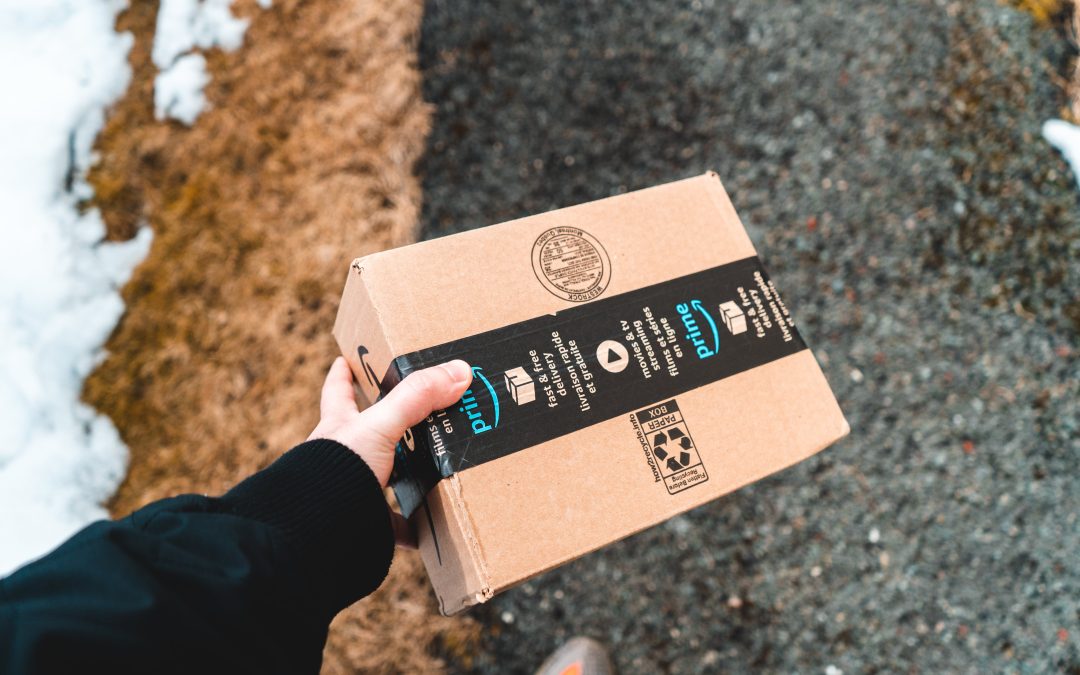
Introduction to Buy and Sell from Amazon
With the increasing popularity of online shopping, Buy and Sell from Amazon has become a significant player in the e-commerce industry.
Buyers enjoy the convenience of purchasing a wide variety of products from verified sellers with ease.
On the other hand, sellers benefit from a vast customer base and the trust and security provided by the platform.
With Amazon’s commitment to providing reliable and timely deliveries, customers can have their products delivered right to their doorstep quickly.
The platform allows customers to shop for products from various categories, including electronics, clothing, books, and much more.
For sellers, Buy and Sell from Amazon offers a straightforward registration process that enables them to start selling their products almost immediately.
They can access Amazon’s vast customer base and gain a competitive edge by leveraging Amazon’s fulfilment services, warehousing, and customer service.
Overall, Buy and Sell from Amazon provides a hassle-free and convenient way for buyers and sellers to conduct business online.
As online shopping continues to surge, the platform is poised to maintain its dominance in the e-commerce industry.
Buy and Sell from Amazon: Understanding Amazon’s Presence in China
With the increasingly global nature of e-commerce, it is no surprise that Amazon has established a significant presence in China.
As the world’s largest online marketplace, Buy and Sell from Amazon offers both Chinese sellers the opportunity to expand their reach globally and international sellers a platform to tap into China’s vast consumer market.
For Chinese sellers, Amazon’s presence provides a gateway to sell their products to customers all over the world.
With millions of potential buyers on Amazon, Chinese sellers can easily expand their customer base and increase their sales.
Moreover, Buy and Sell from Amazon takes care of crucial aspects such as logistics, shipping, and customer service, allowing Chinese sellers to focus on creating high-quality products.
On the other hand, international sellers benefit from Amazon’s entry into the Chinese market by gaining access to the soaring consumer demand in this populous nation.
Amazon’s local infrastructure, including storage facilities and delivery networks, enables international sellers to efficiently reach Chinese customers.
This is particularly crucial, as China has become the world’s largest e-commerce market, with a rapidly growing middle class that seeks high-quality imported goods.
To ensure the success of both Chinese and international sellers, Buy and Sell from Amazon has implemented various strategies tailored to the Chinese market.
For instance, the company has embraced local payment methods, such as Alipay and WeChat Pay, which are widely used in China.
Additionally, Amazon has localized its platform by offering Chinese language support and tailoring its algorithms to match the preferences of Chinese consumers.
Furthermore, Amazon’s presence in China has not only benefitted sellers but also provided Chinese customers with a wider selection of products at competitive prices.
By leveraging its vast network of global sellers, Amazon enables Chinese shoppers to access a diverse range of goods, from electronics to fashion and beyond.
In conclusion, Amazon’s presence in China has revolutionized the e-commerce landscape by connecting Chinese sellers with global customers and international sellers with Chinese consumers.
This symbiotic relationship has facilitated cross-border trade, enhanced consumer choices, and fuelled the growth of e-commerce in both China and the rest of the world.
As Amazon continues to strengthen its foothold in China, expect further innovations and opportunities for both sellers and customers alike.
Buy and Sell from Amazon: Benefits and Challenges of Selling on Amazon in China
China is undoubtedly one of the largest markets in the world, with a growing middle class and immense purchasing power.
This presents a great opportunity for sellers who are looking to expand their business on Amazon.
Buy and Sell from Amazon in China can bring numerous benefits, but it also comes with its own set of challenges.
One of the major benefits of Buy and Sell from Amazon in China is the sheer size of the market. With a population exceeding 1.4 billion people, there is a vast customer base to tap into.
This means that sellers have the potential to reach a significantly larger audience compared to selling in other countries.
Moreover, Chinese consumers are increasingly turning to online platforms like Amazon for their shopping needs, making it a prime location for sellers to showcase their products.
Another advantage of Buy and Sell from Amazon in China is the level of convenience and ease it offers to sellers.
Amazon provides a user-friendly platform that allows sellers to set up their accounts and list their products quickly and efficiently.
The streamlined process makes it relatively straightforward for sellers to start selling their products to Chinese customers.
Additionally, Amazon takes care of the logistics and shipping, making it convenient for sellers to fulfil customers’ orders without any hassle.
However, Buy and Sell from Amazon in China also presents its fair share of challenges. One of the main challenges is navigating the cultural and language barriers.
China has a unique business culture and customers’ preferences, and understanding and adapting to these differences is crucial for success.
Moreover, language can be a major barrier, as many Chinese customers prefer to shop in their native language.
Therefore, sellers must invest in translation services and localize their product listings to effectively communicate with Chinese customers.
Another significant challenge is the fierce competition in the Chinese market.
With a rapidly growing e-commerce industry, there is no shortage of sellers vying for customers’ attention.
This means that sellers need to adopt competitive pricing strategies, offer unique product offerings, and provide exceptional customer service to stand out from the crowd.
In conclusion, Buy and Sell from Amazon in China can be a highly rewarding venture for sellers.
The vast market size, convenience of the platform, and increasing popularity of online shopping make it an attractive opportunity.
However, sellers must also be prepared to overcome the challenges associated with cultural barriers and fierce competition.
By understanding the benefits and challenges and adapting their strategies accordingly, sellers can maximize their chances of success in the Chinese market.
Buy and Sell from Amazon: Setting Up Your Amazon Store in China
Amazon is a great platform for people who want to start their own online businesses. It is known for its wide variety of products and excellent customer service.
If you are interested in buying and selling products through Amazon, you should consider setting up your store in China.

by Eunice | Dec 27, 2024 | E-Commerce
Introduction: How Much Does eBay Take?
The fees associated with selling on eBay can sometimes be a point of concern for sellers. Sellers often wonder, “How much does eBay take?” Well, it’s important to understand that eBay charges fees for various aspects of the selling process.
These fees are crucial for maintaining and improving the platform, ensuring a safe and efficient marketplace for buyers and sellers alike.
So, let’s dive into the fees that eBay charges and how they can impact your profitability as a seller.
Firstly, one of the most common fees that eBay charges is the insertion fee. This fee is incurred when you create a listing on eBay.
The cost of the insertion fee depends on the type of item you’re selling, the listing format you choose, and the category in which your item falls.
It’s worth noting that eBay does offer a certain number of free listings per month, after which the insertion fee applies.
So, it’s important to keep track of how many free listings you have used to avoid any surprises.
In addition to the insertion fee, you may also come across final value fees. These fees are based on the final sale price of your item and any shipping charges.
eBay typically charges a percentage of the total transaction value, which can vary depending on the category of your item.
It’s crucial to factor in these fees when determining your selling price to ensure you are still making a profit.
Remember, higher-priced items usually incur higher final value fees, so it’s essential to weigh this aspect when setting your price.
Apart from these, there are also optional fees that sellers may choose to utilize for enhanced visibility or additional services.
For instance, sellers can opt for upgrades like listing in multiple categories, adding Bold or Highlight features, or promoting their listings through eBay’s advertising programs.
While these options can increase your chances of attracting buyers, it’s important to carefully evaluate whether the potential benefits outweigh the additional costs.
To ensure that your fees are accurate and valid, eBay provides a straightforward tool called the fee calculator.
It allows you to enter information about your item, such as the category, selling format, and anticipated selling price, to estimate the fees associated with your listing.
Utilizing this tool can help you make informed decisions about your selling strategy and ensure that you are effectively managing your costs on eBay.
In conclusion, the fees that eBay charges are an integral part of its business model and contribute to the overall functionality of the platform.
By understanding these fees and utilizing tools like the fee calculator, sellers can navigate the pricing landscape and optimize their profitability.
So, if you’re wondering how much eBay takes, remember that these fees are necessary investments for leveraging the vast potential of the eBay marketplace and reaching millions of potential buyers.
eBay Insertion Fees
eBay Insertion Fees are charges sellers have to pay for listing their items on the platform. The fee is based on the starting or reserve price and the item category.
However, eBay offers a certain number of free listings per month, and these vary depending on the seller’s account type and performance level.
Sellers can also pay additional fees for optional features such as adding a subtitle or setting a reserve price.
These fees can add up quickly, so it is important for sellers to carefully consider the costs and benefits of each optional feature before using them.
In addition to insertion fees, sellers also need to be aware of final value fees, which are a percentage of the total amount paid by the buyer for the item, including shipping and handling fees.
It is important for sellers to factor in all fees when setting their item prices to ensure they are making a profit.
Despite the fees, eBay can be a great platform for sellers to reach a large audience and sell their items quickly.
It is important for sellers to understand the fee structure and properly manage their listings to maximize their profits.
Calculating Costs Based on Sale Price
eBay is one of the most popular e-commerce platforms, and it provides a convenient way for people to buy and sell items.
However, if you’re a seller, it’s important to understand how much eBay takes in fees when you make a sale.
eBay takes a percentage of the final sale price, including shipping costs. The percentage varies based on the item’s category and the sale price.
Additionally, if you choose to use eBay’s payment processing system, PayPal, there are additional fees to consider.
Calculating your total fees can be a bit tricky, but eBay provides a fee calculator to help you estimate the costs of selling an item.
It’s important to consider these fees when pricing your items for sale. You don’t want to price your item too low, but you also don’t want to price it so high that you deter potential buyers.
Overall, if you plan to sell items on eBay, it’s important to do your research and understand the costs involved.
By knowing how much eBay takes in fees, you can price your items effectively and ensure that you’re making a profit on your sales.
Subscription Plans: Basic, Featured, and Anchor Stores
eBay, being one of the largest online marketplaces, charges a fee for each sale made through its platform.
The fee charged by eBay is called a Final Value Fee, which is generally a percentage of the total sale price.
Apart from this fee, eBay also charges sellers a listing fee, depending on the type of subscription plan they choose. eBay offers three subscription plans: Basic, Featured, and Anchor Stores.
With the Basic subscription plan, sellers can list up to 250 items per month for free.
However, eBay charges a final value fee of 10% of the sale price of the item sold, up to a maximum of $750. If the item sells for more than $750, the final value fee charged by eBay is 10% of the first $750, and 2% of the remaining sale price.
The Featured subscription plan is designed for sellers who want to list a large number of items on eBay.
This plan allows sellers to list up to 10,000 items per month for a flat fee of $19.95.
The final value fee charged by eBay under this plan is 10% of the sale price of the item sold, up to a maximum of $750.
If the item sells for more than $750, the final value fee charged by eBay is 10% of the first $750, and 2% of the remaining sale price.
The Anchor Stores subscription plan is the most comprehensive and expensive subscription plan offered by eBay.
Under this plan, sellers can list an unlimited number of items on eBay for a monthly fee of $299.99. The final value fee charged by eBay under this plan is 9% of the sale price of the item sold, up to a maximum of $750.
If the item sells for more than $750, the final value fee charged by eBay is 9% of the first $750, and 1.5% of the remaining sale price.
Overall, sellers need to carefully analyse their sales volume and expected sales to determine which subscription plan is most suitable for their business.



