
by Eunice | Apr 18, 2025 | European VAT
Understanding the VAT One-Stop Shop (OSS)
The VAT One-Stop Shop (OSS) is an important aspect of the EU e-commerce rules. It is a simplified VAT system that allows businesses to declare and pay VAT on their cross-border sales of goods and services within the European Union.
The purpose of the OSS is to simplify the VAT compliance process for businesses engaged in e-commerce activities across multiple EU member states.
Under the OSS, businesses can register for VAT in one member state and use that registration to report and pay VAT on their e-commerce sales to customers in other member states.
This eliminates the need for businesses to register for VAT in multiple member states, reducing administrative burdens and costs.
The One Stop Shop is particularly beneficial for small and medium-sized enterprises (SMEs) that engage in cross-border e-commerce. SMEs often face challenges in understanding and complying with complex VAT rules and regulations in different member states.
The OSS provides a simplified and centralized system that enables SMEs to meet their VAT obligations more easily. By registering for VAT in one member state, SMEs can file a single VAT return and make a single payment for their cross-border sales.
This streamlines the VAT compliance process, saving time and effort for SMEs.
To use the OSS, businesses must meet certain eligibility criteria. They must be established in a member state of the European Union or have a fixed establishment in one of the member states.
Additionally, businesses must be selling goods or services to customers located in other member states.
Once eligible, businesses can register for the OSS with the tax authorities of their chosen member state. They will then be issued with a unique OSS identification number, which they must include on their invoices for cross-border sales.
The OSS covers various types of cross-border supplies, including distance sales of goods, intra-community supplies of goods, and certain supplies of services.
It is important for businesses to understand which types of supplies are covered by the OSS and ensure they are correctly reporting and paying VAT on these transactions. Failure to comply with the OSS requirements may result in penalties and additional tax liabilities.
In conclusion, the VAT One-Stop Shop (OSS) is a valuable tool for businesses engaged in cross-border e-commerce within the European Union.
It simplifies the VAT compliance process by allowing businesses to register for VAT in one member state and report and pay VAT on their e-commerce sales to customers in other member states.
The OSS is particularly beneficial for SMEs, as it reduces administrative burdens and costs associated with complying with complex VAT rules in multiple member states.
Businesses should ensure they meet the eligibility criteria and correctly report and pay VAT on their cross-border supplies through the OSS to avoid penalties and additional tax liabilities.
How Does the OSS Work?
The One Stop Shop (OSS) is a mechanism introduced by the European Union (EU) to streamline and simplify the application of EU e-commerce rules. It allows businesses that operate across multiple EU member states to comply with their VAT obligations in a more efficient and cost-effective manner.
The OSS works by enabling businesses to register for VAT in one member state and submit a single VAT return for all their EU sales.
Under the EU e-commerce rules, businesses are required to charge VAT on their cross-border sales to consumers, based on the VAT rates of the member state where the customer is located.
Prior to the introduction of the OSS, businesses had to register for VAT in each member state where they had customers and submit separate VAT returns for each country. This created a significant administrative burden and often resulted in high compliance costs.
With the OSS, businesses can now register for VAT in one member state of their choice and declare all their cross-border sales through a single VAT return.
The member state where the business is registered will then distribute the VAT revenue to the respective member states where the customers are located. This simplifies the VAT compliance process and reduces the administrative burden for businesses.
To use the OSS, businesses need to electronically submit their quarterly or monthly VAT return through an online portal provided by their member state of registration.
The VAT return should include detailed information about their cross-border sales, such as the total value of sales made to each member state and the applicable VAT rates. The member state of registration will then calculate the VAT due and distribute it to the relevant member states.
The OSS covers various types of sales, including distance sales of goods, electronically supplied services, and certain domestic supplies of goods facilitated by an electronic interface.
However, it is important to note that not all types of supplies are eligible for the OSS. For certain types of supplies, such as supplies of excise goods or goods subject to import VAT, separate registration and compliance requirements may still apply.
The OSS provides numerous benefits for businesses operating in the EU’s e-commerce market. It simplifies VAT compliance by allowing businesses to use a single registration and submit a single VAT return for all their EU sales.
This reduces administrative costs and enables businesses to focus more on their core operations. Additionally, the OSS helps level the playing field between EU businesses and non-EU businesses by ensuring that all sellers are subject to the same VAT rules when selling to EU consumers.
In conclusion, the One Stop Shop is a crucial component of the EU’s e-commerce rules that aims to simplify VAT compliance for businesses operating across multiple member states.
By enabling businesses to register for VAT in one member state and submit a single VAT return, the OSS reduces administrative burdens and compliance costs. It provides a more efficient and cost-effective way for businesses to meet their VAT obligations in the EU’s e-commerce market.
The Types of Transactions Covered by OSS
The VAT One-Stop Shop is applicable to three types of transactions within the EU:
- Distance Sales of Goods: This includes sales of goods where the goods are shipped or transported to the consumer in another EU Member State.
- Electronically Supplied Services

by Eunice | Apr 16, 2025 | European VAT
Understanding the Previous VAT Regulations
Understanding the previous VAT regulations, particularly the EU VAT and OSS VAT, is crucial for businesses operating within the European Union.
The EU VAT system was introduced to harmonize the value-added tax across member states and facilitate trade within the single market. Under the previous regulations, businesses were required to register for VAT in each member state where they had customers or were making sales.
This created administrative burdens and compliance challenges for companies, especially smaller enterprises. However, with the introduction of the One Stop Shop (OSS) VAT scheme, these issues have been addressed to a large extent.
The EU VAT system required businesses to navigate complex rules and regulations in each member state, including different tax rates, thresholds, and reporting requirements.
This posed significant challenges for businesses selling goods or providing services across borders. The previous regulations required businesses to register for VAT in each member state where they exceeded certain sales thresholds.
This meant that a company selling products to customers in multiple countries would need to register for VAT in each of those countries, file separate VAT returns, and comply with local rules. This was not only time-consuming but also costly for businesses.
To simplify the VAT compliance process, the EU introduced the OSS VAT scheme. Under this scheme, businesses can register for VAT in one member state and submit a single VAT return covering all their cross-border sales within the EU.
This reduces administrative burdens and makes it easier for businesses to comply with their VAT obligations.
The introduction of the OSS VAT scheme has been particularly beneficial for small and medium-sized enterprises (SMEs) that may not have had the resources or expertise to navigate the previous complex regulations.
The OSS VAT scheme allows businesses to benefit from a simplified registration process and a streamlined reporting mechanism. By registering for OSS VAT, businesses can report their cross-border sales in a single quarterly return and make a single payment of VAT.
This eliminates the need for separate registrations and filings in multiple member states, significantly reducing administrative costs and simplifying compliance procedures.
Additionally, the OSS VAT scheme also enables businesses to charge customers the local VAT rate applicable to the customer’s country of residence, further facilitating cross-border trade.
In conclusion, understanding the previous VAT regulations, such as the EU VAT and OSS VAT, is essential for businesses operating within the European Union. The previous regulations created administrative burdens and compliance challenges for companies selling goods or providing services across borders.
However, with the introduction of the OSS VAT scheme, businesses can benefit from simplified registration processes, streamlined reporting mechanisms, and reduced administrative costs.
The OSS VAT scheme has particularly helped small and medium-sized enterprises navigate the complex VAT landscape and facilitate cross-border trade within the EU.
Introducing the One-Stop Shop (OSS)
The One-Stop Shop (OSS) is a new mechanism introduced by the EU to simplify VAT compliance for cross-border sales of goods and services. The OSS allows businesses to manage VAT on their sales throughout the EU with a single VAT registration.
Instead of multiple VAT registrations in different countries, businesses can register for the OSS in one country and account for VAT on sales throughout the EU on a combined quarterly digital VAT return.
To determine the eligibility for OSS, businesses need to consider the EU-wide annual sales threshold of €10,000. Once this threshold is exceeded, businesses can take advantage of the OSS to streamline their VAT compliance process.
Benefits of the OSS
The OSS offers several benefits to businesses engaged in cross-border sales within the EU. By adopting the OSS, businesses can consolidate their VAT compliance efforts, reduce administrative burdens, and simplify VAT reporting. Some key benefits of the OSS include:
- Simplified VAT Compliance: The OSS eliminates the need for businesses to register for VAT in multiple EU countries. With a single VAT registration, businesses can manage their VAT obligations throughout the EU.
- Streamlined Reporting: Instead of filing separate VAT returns in each country, businesses can submit a combined quarterly digital VAT return through the OSS. This significantly reduces the administrative burden and simplifies the reporting process.
- Clear Distance Selling Threshold: The OSS introduces a clear EU-wide annual sales threshold of €10,000. Once this threshold is exceeded, businesses can register for the OSS and benefit from simplified VAT compliance.
Implementing the OSS
To take advantage of the OSS, businesses need to follow a few key steps. First, they must register for VAT in the country where they are located or have a fixed establishment. This registration provides businesses with a VAT Registered Number (VRN) and access to the online OSS portal.
Once registered, businesses need to charge the VAT rate of the destination country at the point of sale. This means applying the local VAT rate of the country where the buyer is located. For example, if a business sells to a customer in France, they must charge the French VAT rate of 20%.
After each quarter, businesses registered for the OSS must file VAT OSS returns by the end of the following month.
The online filing process will calculate the VAT owed or the refund due. It is important to note that businesses should keep accurate sales records and comply with the OSS regulations to ensure proper VAT compliance.
Introducing the Import One-Stop Shop (IOSS)
While the OSS caters to businesses within the EU, the Import One-Stop Shop (IOSS) is specifically designed for non-EU businesses that sell low-value goods to customers within the EU. Under the IOSS, businesses can register for VAT in a single EU member state and declare and remit VAT on their sales.
The IOSS applies to goods with a value not exceeding €150 and simplifies the VAT compliance process for non-EU businesses. By registering for IOSS, businesses can charge VAT to their customers at the point of sale and report and remit the VAT due through the IOSS return.
Benefits of the IOSS
The IOSS offers several benefits to non-EU businesses selling low-value goods to customers within the EU.

by Eunice | Apr 14, 2025 | E-Commerce
The Importance of Localization in Global eCommerce
The global eCommerce industry is experiencing rapid growth, with sales projected to reach over $6.5 trillion USD by 2023. As more businesses recognize the potential of expanding into international markets, it is crucial to understand the challenges that come with global selling.
In today’s digital age, Global eCommerce has become a key driver of economic growth and expansion. With the increasing popularity of online shopping, businesses have an unprecedented opportunity to reach customers all around the world.
However, in order to truly succeed in global markets, localization plays a crucial role. Localization refers to the process of adapting an eCommerce website or platform to the specific language, culture, and preferences of the target market.
One of the main reasons why localization is important in global eCommerce is because it helps to bridge the cultural and language barriers that exist between businesses and customers in different countries.
By localizing their websites, businesses can cater to the unique needs and preferences of customers in each market. This includes translating product descriptions, offering local payment options, and providing customer support in the local language. By doing so, businesses can create a more personalized and engaging shopping experience for customers, which in turn increases their chances of making a purchase.
Another reason why localization is crucial in global eCommerce is because it helps to build trust and credibility with customers in foreign markets.
When customers visit a website that has been localized to their language and culture, they are more likely to feel comfortable and confident in making a purchase. On the other hand, if a website is only available in a foreign language or does not offer local payment options, customers may be hesitant to trust the business or complete a transaction.
By investing in localization, businesses can demonstrate their commitment to providing a seamless shopping experience for customers around the world.
Furthermore, localization also plays a key role in improving search engine visibility and driving organic traffic to an eCommerce website.
When businesses localize their websites, they can optimize their content for local search terms and keywords, increasing their chances of appearing in search engine results pages.
This not only helps to attract organic traffic from customers who are actively searching for products or services, but also improves the overall visibility and presence of the business in foreign markets.
Multilingual Website
Research has shown that customers are more likely to purchase products when presented with information in their native language. Therefore, it is crucial to provide a multilingual website that caters to your target customers’ language preferences.
Utilize translation solutions or professional translators to accurately translate your website content.
Cultural Adaptation of Media Content
Localization goes beyond language translation. It is essential to review all images and media content on your website to ensure they are culturally appropriate and relevant. Consider cultural gestures, holidays, and seasonality when creating or selecting media content.
Being mindful of these cultural nuances will help you avoid potential misunderstandings and alienation of your target customers.
Enhancing the Ecommerce Checkout Experience
Creating a convenient and seamless checkout process is crucial for customer satisfaction and reducing cart abandonment rates. Implementing strategies to cater to the specific needs of your international customers can significantly impact your cross-border sales.
Local Currency Payments
Enable customers to pay in their local currency to facilitate a better understanding of the actual cost of their purchases. Offering multiple currency options will increase transparency and enhance the shopping experience for international customers.
Accepting Local Payment Methods
Different geographic regions have varying payment preferences. Research and integrate the local payment methods popular in your target markets. By providing a range of payment options, you increase the likelihood of completing transactions and satisfying customers’ preferences.
Understanding Tax Complexity in Global Selling
Cross-border transactions come with tax implications that businesses must navigate to ensure compliance and avoid unexpected expenses. Understanding and planning for tax complexity is crucial for a successful global eCommerce strategy.
Consultation with Tax Professionals
Before expanding into international markets, consult with tax professionals to gain insights into the tax regulations and obligations specific to each country. They can help you develop a tax optimization strategy and avoid potential penalties or unforeseen tax liabilities.
Tax Transparency for Customers
Implement a tax calculator on your eCommerce checkout page to provide transparency to your international customers.
This tool will help them understand the additional costs and fees associated with their purchases, allowing for better financial planning and reducing the risk of unpleasant surprises.
Overcoming Logistics Challenges in Global eCommerce
Efficient logistics planning is vital to ensure timely delivery and a seamless shopping experience for your customers. Failing to address logistics challenges can result in delays, customer dissatisfaction, and increased costs.
Realistic Delivery Estimates
Under promise and overdeliver when it comes to estimated delivery times. Set realistic expectations to account for potential delays in international shipping. By managing customer expectations, you can minimize disappointment and maintain a positive brand image.
Establishing Reliable Logistics Networks
Partner with local logistics providers in each target market to establish a robust and efficient supply chain. Collaborating with local experts will help you navigate the complexities of international shipping, customs regulations, and last-mile delivery.
Start with a few target countries and gradually expand as your capabilities and resources allow.
Providing a Seamless Customer Experience
Creating a positive customer experience is crucial for building brand loyalty and increasing customer retention. While online businesses may face challenges in replicating the in-person shopping experience, there are strategies to enhance the customer journey in the digital realm.

by Eunice | Apr 12, 2025 | Business
Amazon Lawsuit: The Problem of Fake Reviews
In a significant move to combat fraudulent practices on its platform, Amazon has taken legal action against administrators of over 10,000 Facebook groups. The e-commerce giant alleges that these individuals coordinated fake reviews in exchange for money or free products. This lawsuit marks another step in Amazon’s ongoing battle against phony reviews that have plagued its online marketplace for years.
Amazon, the world’s largest online marketplace, is facing a lawsuit over the problem of fake reviews. This lawsuit highlights a growing concern for both consumers and businesses alike. Fake reviews can mislead buyers and harm legitimate sellers, undermining the trust and reliability of the online platform. The Amazon lawsuit aims to address this issue and hold accountable those who engage in such fraudulent activities.
One of the main problems with fake reviews is that they distort the perception of products. When potential customers rely on reviews to make purchasing decisions, they expect honest and unbiased feedback from other buyers. However, when fake reviews are mixed in with genuine ones, it becomes difficult to distinguish between reliable opinions and fabricated endorsements. This creates an unfair advantage for sellers who resort to such tactics, as they can manipulate their product ratings and rankings.
Moreover, fake reviews can harm legitimate businesses by tarnishing their reputation. Imagine a scenario where a seller has worked hard to develop a quality product, but it receives negative reviews due to competitors posting fake feedback. This not only affects the sales of that particular product but also impacts the overall brand image. The Amazon lawsuit seeks to protect honest sellers by cracking down on those who engage in deceptive practices.
Additionally, fake reviews contribute to the erosion of consumer trust in online marketplaces. When buyers cannot rely on the authenticity of product reviews, they may become sceptical and hesitant to make purchases. This lack of trust ultimately hurts both consumers and sellers. By taking legal action against those involved in generating fake reviews, Amazon aims to restore confidence in its platform and maintain its reputation as a reliable marketplace.
To combat the problem of fake reviews, Amazon has implemented various measures such as automated systems and algorithms to detect suspicious activities. However, it is an ongoing battle as fraudulent individuals continually find new ways to bypass these systems. The Amazon lawsuit serves as a reminder that the fight against fake reviews requires constant vigilance and collaboration between online platforms, consumers, and law enforcement agencies.
The Negative Impact of Fake News on Businesses
In today’s digital age, fake news has become a rampant problem that affects various aspects of society, including businesses. One prominent example is the Amazon lawsuit, where the e-commerce giant was falsely accused of spreading fake reviews and manipulating product ratings. This incident highlights the negative impact that fake news can have on businesses, particularly their reputation and customer trust.
When a business becomes a target of fake news, it can lead to severe damage to its reputation. In the case of the Amazon lawsuit, the false accusations tarnished the company’s image and raised doubts among consumers about the authenticity of its products and reviews. This loss of trust can significantly impact a business’s sales and customer loyalty. Customers may choose to avoid purchasing from a company that they perceive as being involved in dishonest practices.
Moreover, fake news can also lead to financial losses for businesses. In the case of Amazon, the lawsuit resulted in unnecessary legal expenses, as the company had to defend itself against false allegations. Additionally, the negative publicity generated by fake news can lead to a decline in sales and stock prices. Investors may lose confidence in a business that is associated with fake news, leading to a decrease in share value and potential financial instability.
Another significant impact of fake news on businesses is the spread of misinformation. When false information is circulated about a company, it can create confusion among consumers and mislead them about its products or services. This misinformation can lead to a decline in customer satisfaction and loyalty. Furthermore, fake news can also hinder a business’s ability to attract new customers, as potential buyers may be deterred by the negative rumours surrounding the company.
The negative impact of fake news on businesses extends beyond financial losses and reputational damage. It also undermines the credibility and integrity of the entire industry. When consumers are exposed to fake news about one company, they may develop scepticism towards other businesses as well. This erosion of trust can harm not only individual businesses but also the overall economy.
In conclusion, fake news poses a significant threat to businesses, as it can have detrimental effects on their reputation, financial stability, and customer trust. The Amazon lawsuit serves as a prime example of how false accusations can tarnish a company’s image and lead to financial losses. It is crucial for businesses to take proactive measures to combat fake news and protect their interests. This can involve monitoring online content, engaging with customers through transparent communication, and taking legal action against those responsible for spreading false information. By doing so, businesses can mitigate the negative impact of fake news and maintain their credibility in an era where misinformation thrives.
Amazon Lawsuit Against Facebook Admins
In its recent lawsuit, Amazon accuses administrators of more than 10,000 Facebook groups of orchestrating fake reviews on its platform. These groups allegedly recruit individuals willing to post incentivized and misleading reviews across Amazon’s stores in the U.S., UK, Germany, France, Italy, Spain, and Japan. The lawsuit seeks to hold these bad actors accountable and put an end to their fraudulent practices.
One notable group mentioned in the lawsuit is “Amazon Product Review,” which boasted a membership of over 43,000 individuals before it was removed by Facebook earlier this year. Amazon claims that the group evaded detection by changing letters in phrases to avoid triggering Facebook’s alarm systems. This underscores the challenges faced by platforms in detecting and preventing fake reviews.
Collaboration and Legal Measures
Amazon emphasizes the need for collaboration between companies, social media platforms, and law enforcement agencies to protect consumers from fraudulent reviews. The company has a dedicated team of over 12,000 employees working to detect and prevent fraud and abuse on its platform. It has also reported more than 10,000 fake review groups to Meta, the parent company of Facebook, since 2020. Meta has taken action against these groups by removing them from its platform.
by Eunice | Apr 10, 2025 | European VAT
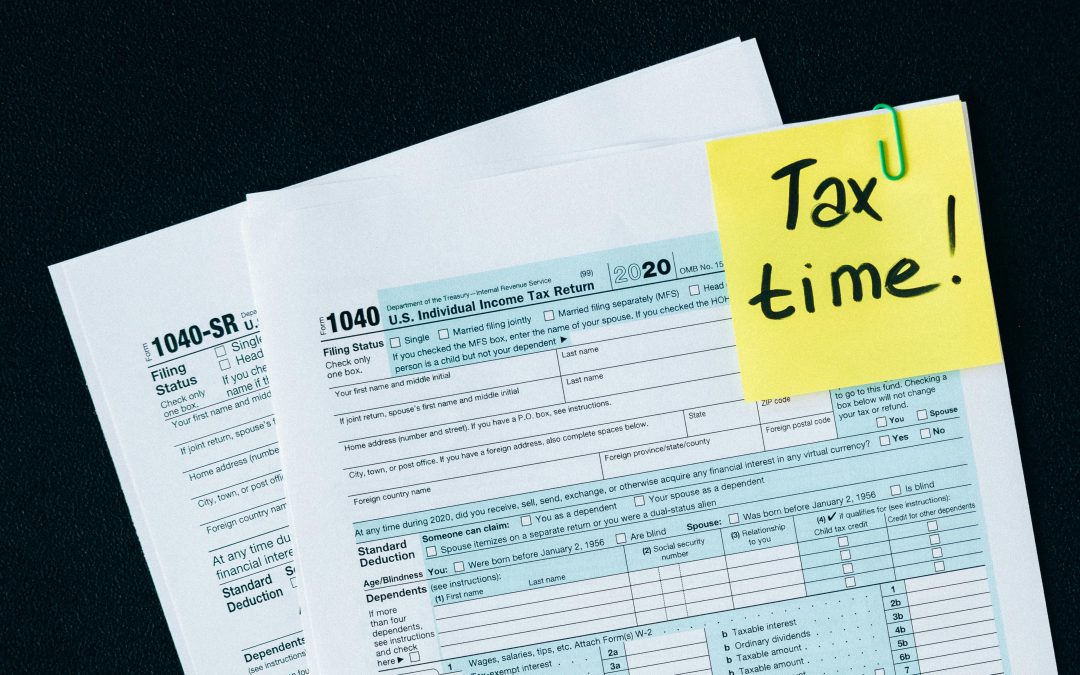
The European Union (EU) has established a complex system of Value Added Tax (VAT) rates that vary across its member states. Understanding these rates is crucial for businesses operating within the EU and looking to scale across borders. In this comprehensive guide, we will delve into the VAT rules and rates applicable in different EU countries.
For professional assistance regarding VAT rates across European Union, check out Sterlinx Global.
The EU VAT Directive: Harmonizing VAT Rules
The European Union (EU) VAT Directive plays a crucial role in harmonizing Value Added Tax (VAT) rules across member states. VAT is a consumption tax imposed on goods and services, and each EU member state has its own VAT legislation.
However, the lack of uniformity in VAT rules can create barriers to trade and distort competition within the EU single market. The EU VAT Directive aims to address these issues by establishing common principles and rules that all member states must adhere to.
One of the key objectives of the EU VAT Directive is to ensure that businesses are treated consistently across member states. This is achieved by establishing common rules for determining the place of supply, which determines which country’s VAT rules apply to a particular transaction.
By harmonizing these rules, businesses can operate more easily across borders and avoid the burden of having to comply with different VAT regimes in each member state.
The EU VAT Directive also seeks to prevent double taxation and ensure the neutrality of VAT. Double taxation occurs when a transaction is subject to VAT in more than one member state, leading to an unfair burden on businesses.
The Directive addresses this issue by providing clear rules for determining which country has taxing rights over a transaction, thereby avoiding double taxation.
Additionally, by ensuring the neutrality of VAT, the Directive ensures that businesses are not disadvantaged or advantaged based on their location or the nature of their activities.
Another important aspect of the EU VAT Directive is its aim to combat VAT fraud. Fraudulent activities such as carousel fraud, where goods are repeatedly imported and exported without payment of VAT, can have a significant impact on member states’ budgets.
The Directive introduces measures such as the reverse charge mechanism and the introduction of a single electronic portal for VAT refund requests, which help combat fraud and improve cooperation between member states’ tax authorities.
In conclusion, the EU VAT Directive plays a vital role in harmonizing VAT rules across the European Union.
By establishing common principles and rules, it facilitates trade, prevents double taxation, ensures neutrality, and combats fraud. Harmonizing VAT rules not only benefits businesses by reducing compliance costs but also contributes to the smooth functioning of the EU single market.
VAT Rates in European Union Countries
The European Union consists of 27 member countries, each with its own tax policies and regulations. One important aspect of taxation within the EU is the Value Added Tax (VAT) rates.
VAT is a consumption tax levied on the sale of goods and services, and the rates vary across different EU countries. The EU has established guidelines on VAT rates, but each member state has the flexibility to set its own rates within certain limits.
Currently, the standard VAT rate in most EU countries ranges from 17% to 27%. However, there are exceptions. For example, in Luxembourg, the standard rate is as low as 17%, while in Hungary, it is 27%.
These variations in VAT rates reflect the different economic conditions and tax policies of each country. Some countries may have higher rates to generate more revenue, while others may have lower rates to stimulate consumer spending and boost economic growth.
In addition to the standard rate, most EU countries also have reduced VAT rates for certain goods and services. These reduced rates are typically lower than the standard rate and are applied to specific categories such as food, books, and pharmaceutical products.
The purpose of reduced rates is to make essential goods more affordable and to support specific industries. For example, in France, the reduced rate of 5.5% applies to books and newspapers, while in Ireland, it applies to tourism-related services.
Furthermore, some EU countries have a super-reduced VAT rate for specific goods or services. This super-reduced rate is usually the lowest VAT rate and is applied to essential items such as basic food products or medical supplies.
For instance, in Spain, the super-reduced rate of 4% applies to bread, milk, and other staple food items.
It’s important to note that VAT rates can change over time as governments adjust their tax policies to respond to economic conditions or other factors. The EU provides guidelines and regulations on VAT rates to ensure a certain level of harmonization among member states.
However, the final decision on VAT rates lies with each individual country. This allows for flexibility in taxation policies while maintaining a level playing field within the EU market.
In conclusion, VAT rates in European Union countries vary depending on each country’s economic conditions and tax policies. The standard VAT rate ranges from 17% to 27%, with exceptions for certain countries.
Reduced and super-reduced VAT rates also exist for specific goods and services. The EU provides guidelines on VAT rates, but ultimately, each member state has the authority to set its own rates within certain limits.
VAT Compliance and Cross-Border Transactions
VAT compliance is a crucial aspect of conducting cross-border transactions within the European Union. The European Union has established a comprehensive framework for Value Added Tax (VAT) regulations to ensure consistency and fairness across member states.
VAT is a consumption tax applied to the sale of goods and services, and it plays a significant role in the revenue collection of EU member states.
When businesses engage in cross-border transactions within the European Union, they are required to comply with VAT regulations to avoid penalties and maintain their reputation as trustworthy partners.
This compliance includes registering for VAT, charging the correct VAT rate on sales, submitting regular VAT returns, and maintaining proper records of transactions.
Each member state has its own VAT rules and rates, which can make compliance complex and challenging for businesses operating across multiple jurisdictions.
To facilitate VAT compliance in cross-border transactions, the European Union has implemented several mechanisms. One such mechanism is the VAT Information Exchange System (VIES), which allows businesses to verify the VAT registration status of their trading partners within the EU.
This helps to ensure that businesses are dealing with legitimate VAT-registered entities and reduces the risk of fraudulent activities.
Another important mechanism is the Mini One-Stop Shop (MOSS), which simplifies the VAT reporting process for businesses that provide electronically supplied services to customers in multiple EU member states.



